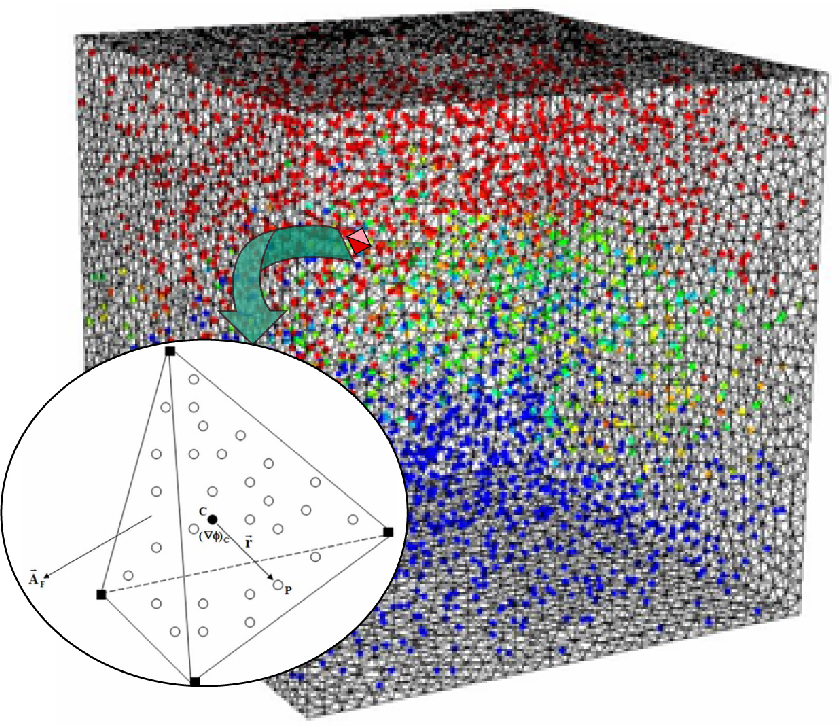
Research area 01
CFD for Turbulent Combustion
Developing accurate computational models of turbulent reacting flows for energy systems, engines, gas turbines, propulsion systems, and industrial burners.
Research
LCTP advances classical, data-driven, tensor-network, and quantum approaches for understanding turbulent flows and energy systems.
Areas of investigation
Our work connects physical understanding with numerical methods and scalable computing for demanding problems in transport phenomena.
Research area 01
Developing accurate computational models of turbulent reacting flows for energy systems, engines, gas turbines, propulsion systems, and industrial burners.
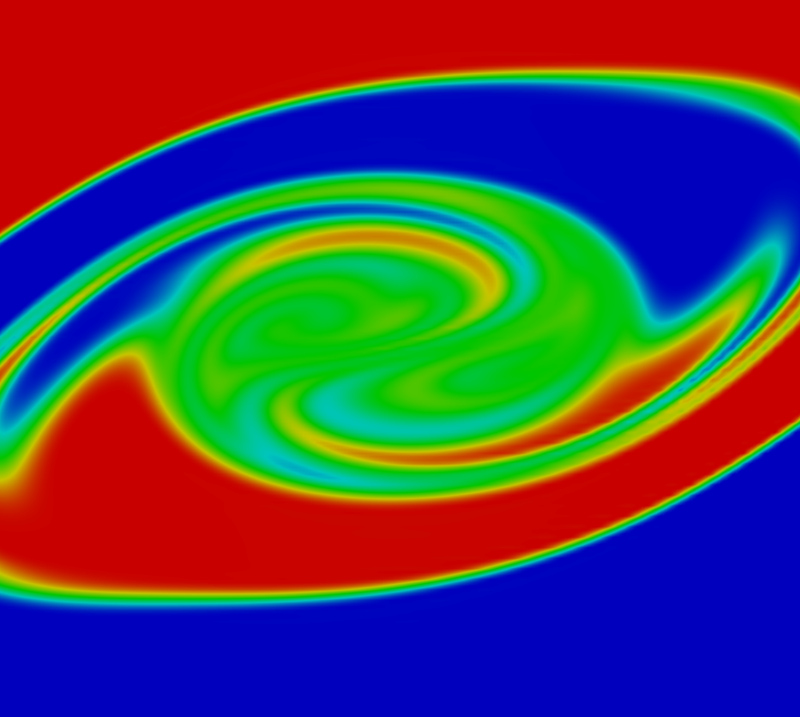
Research area 02
Investigating machine-learning approaches for the study and computational modeling of transport phenomena.
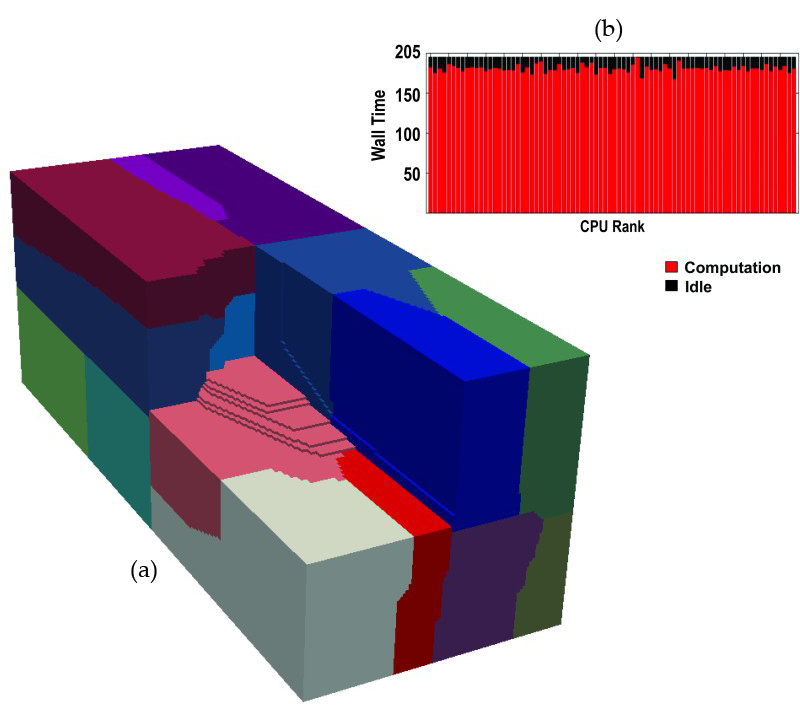
Research area 03
Optimizing and parallelizing simulation codes with access to the Pittsburgh Supercomputing Center to address complex engineering problems.
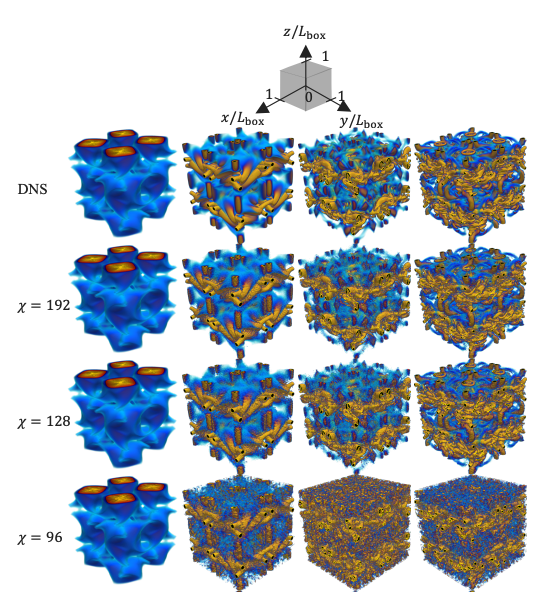
Research area 04
Using compact tensor-network representations to study turbulent structures and computational fluid-dynamics problems.
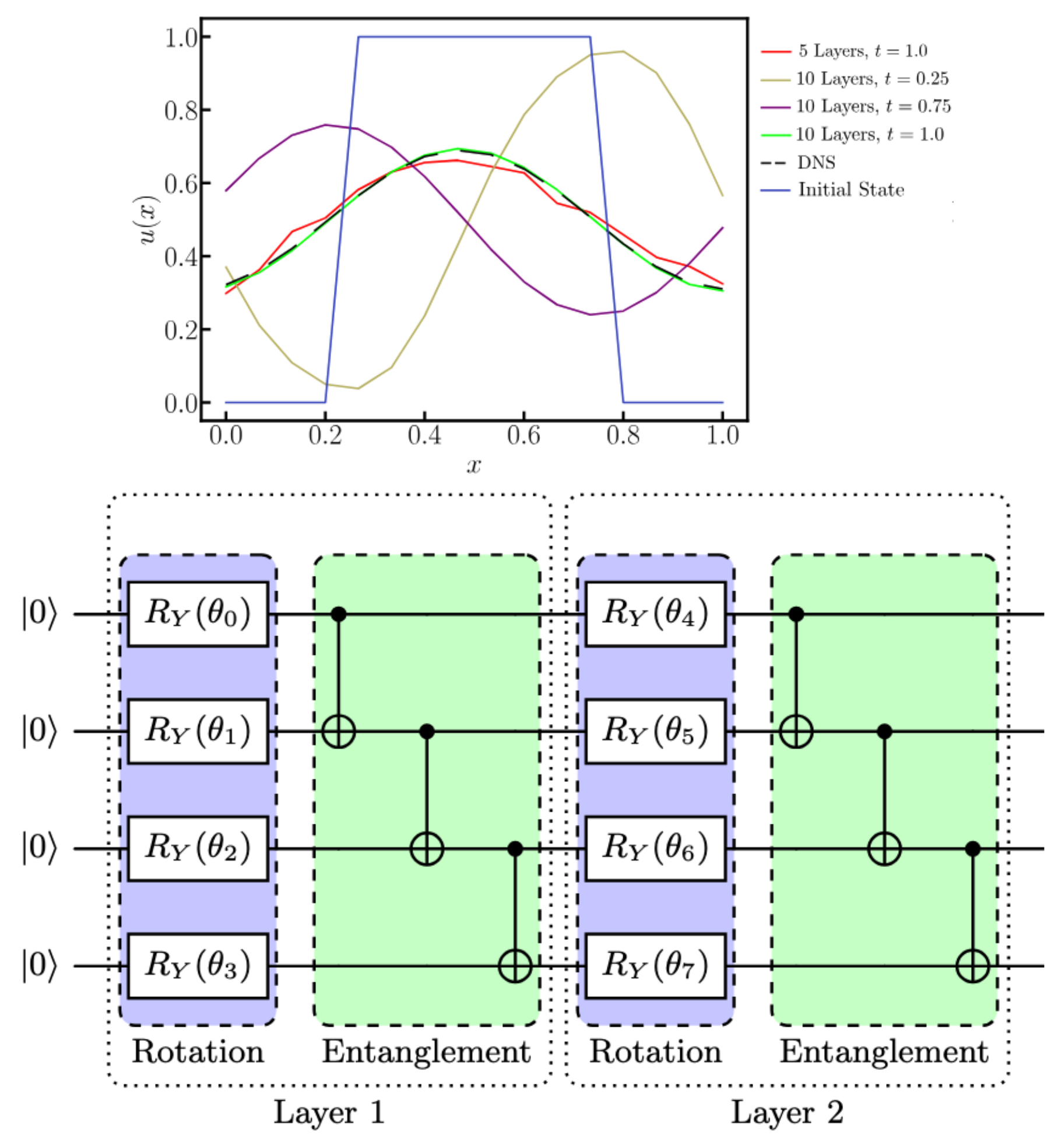
Research area 05
Developing quantum and quantum-ready computational methods for partial differential equations arising in transport phenomena.